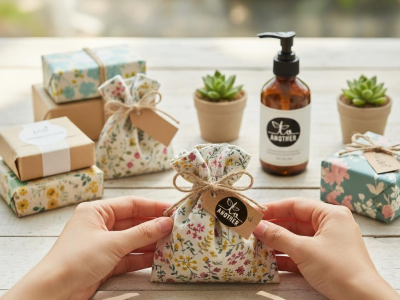
Eco-friendly Products: More Than Just Reducing Plastic


Eco-friendly Products: More Than Just Reducing Plastic
When we think of eco-friendly products, many of us picture reusable bags, water bottles, or metal straws. However, the world of environmentally friendly goods is much wider and more interesting than you might think. This article will explore some aspects that are often overlooked, along with fascinating trends that are currently popular.
1. Recycled Goods That Aren't Just Old Plastic
We're all familiar with recycling plastic into new products, but today's technology has gone far beyond that. Did you know we can create beautiful and functional items from unexpected materials?
Stone Paper: That's right—paper made from stone! Using powdered limestone leftover from quarries, mixed with recycled PET plastic, a paper is created that's waterproof, durable, and even smoother to write on than regular paper.
Shoes from Algae: Many shoe brands are now using foam made from rapidly growing algae in waterways. This not only reduces the use of plastic but also helps maintain the balance of the aquatic ecosystem.
Clothing from Ocean Waste: Plastic waste collected from the ocean is being processed into high-quality fibers to produce fashionable clothing and sportswear, helping to reduce marine pollution and give value to what was once considered worthless.
2. "Zero Waste" Is More Than Just Carrying a Tote Bag
The concept of Zero Waste is no longer limited to refusing single-use plastics. It now involves a complete shift in consumer habits, from what you buy to how you dispose of it.
Refillable Toiletries: Solid soap and shampoo bars are gaining popularity because they significantly reduce plastic bottles. For those who prefer liquids, many stores now allow customers to bring their own containers to refill products like soap, shampoo, or cleaning supplies.
Biodegradable Cleaning Cloths: The microfiber cloths we commonly use are made from plastic, which releases tiny microplastics into the water system when washed. Today, there are cleaning cloths made from natural fibers like bamboo or hemp, which are easily biodegradable and don't leave harmful residue.
3. The Circular Economy is the Key
The term Circular Economy is the true heart of sustainability. It's not just about recycling, but about designing products from the start so they can be reused, repaired, or decomposed efficiently.
For example, furniture is now being designed to be easily disassembled and have individual parts replaced, so you don't have to throw away the whole piece if one part breaks. Another example is packaging made from 100% natural materials that can decompose into compost.
Recent View Blog

สินค้ารักษ์โลก: มากกว่าแค่การลดพลาสติกที่คุณควรรู้

เบื้องหลังความยั่งยืน: 5 เรื่องที่คุณไม่รู้เกี่ยวกับสินค้า Eco-friendly จากชุมชน